Blade Runner · 1982
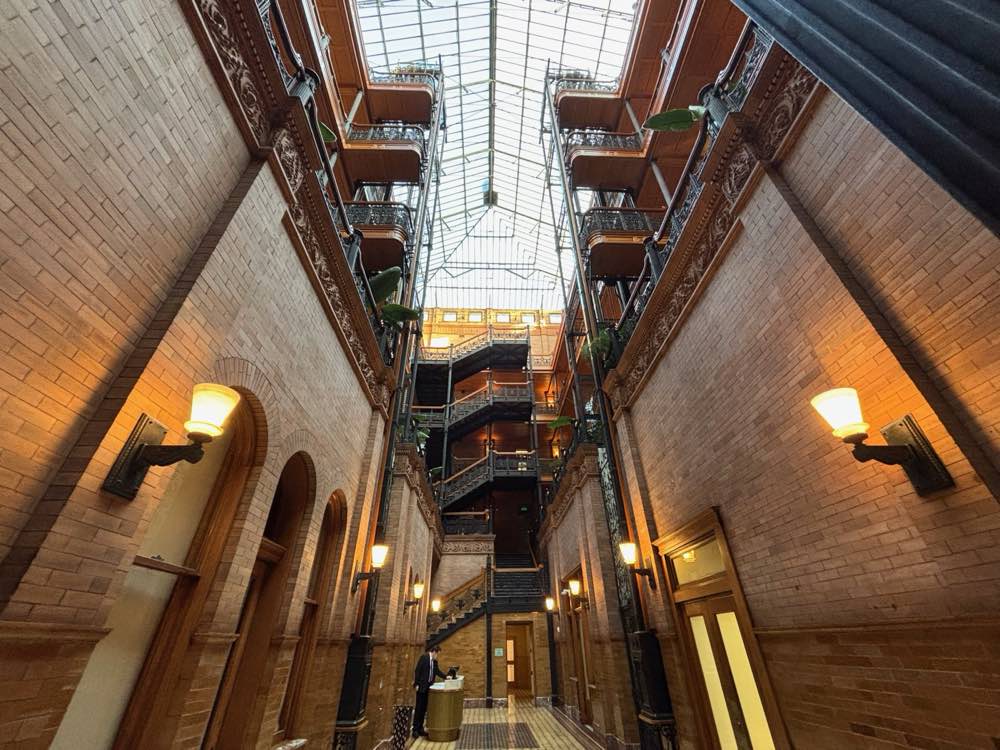
Ironwork, light and a Victorian atrium reimagined as a futuristic city. Look at how a real building becomes a world on screen.
 CITY LAYERTOURS · NEW YORK & LOS ANGELES
Downtown LA · architecture & movie locations
From Blade Runner’s Bradbury Building to the movie palaces of Broadway: a guided walk through the architecture, film history and everyday life of Downtown LA.
Choose your language and rate in Bókun. Availability and final price confirmed before payment.
FROM THE SCREEN TO THE CITY
Understand what was filmed here, what premiered here, and how cinema shaped the city.
Ironwork, light and a Victorian atrium reimagined as a futuristic city. Look at how a real building becomes a world on screen.
A tiny railway with a big screen presence. Connect this Downtown landmark with the film’s romantic portrait of Los Angeles.
Chaplin’s film opened here: a story about the way audiences watched movies, rather than a claim that its scenes were filmed in the theatre.
The Bradbury has more than one screen life. The Artist is another film connection documented by the LA Conservancy, a reminder that a landmark can support very different cinematic worlds. The tour does not promise a dedicated clip for every film mentioned.
THE CITY HAS LAYERS
An original excerpt from your tour collection, connecting the places with the screen.
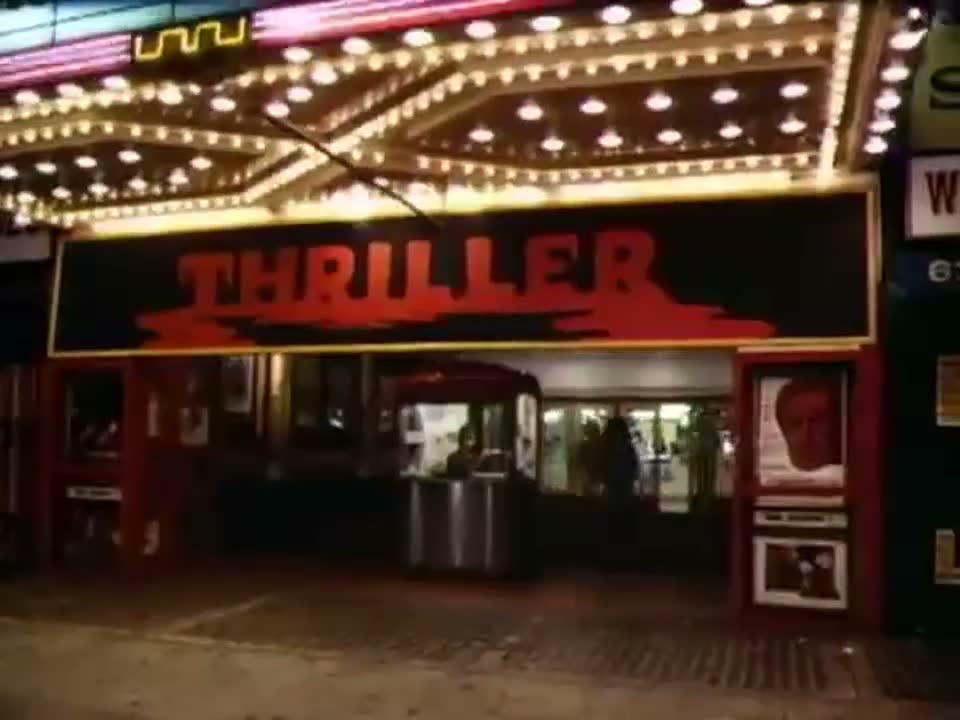 Broadway · Palace Theatre
The glowing Palace Theatre marquee announces Thriller as Michael Jackson and Ola Ray leave the cinema. Broadway’s real movie palaces become part of the story.
Original production Immersia excerpt, 00:11–00:15. This is the Palace Theatre, a different Broadway venue from the Los Angeles Theatre. Film still and clip; a present-day view from the same camera axis has not been verified.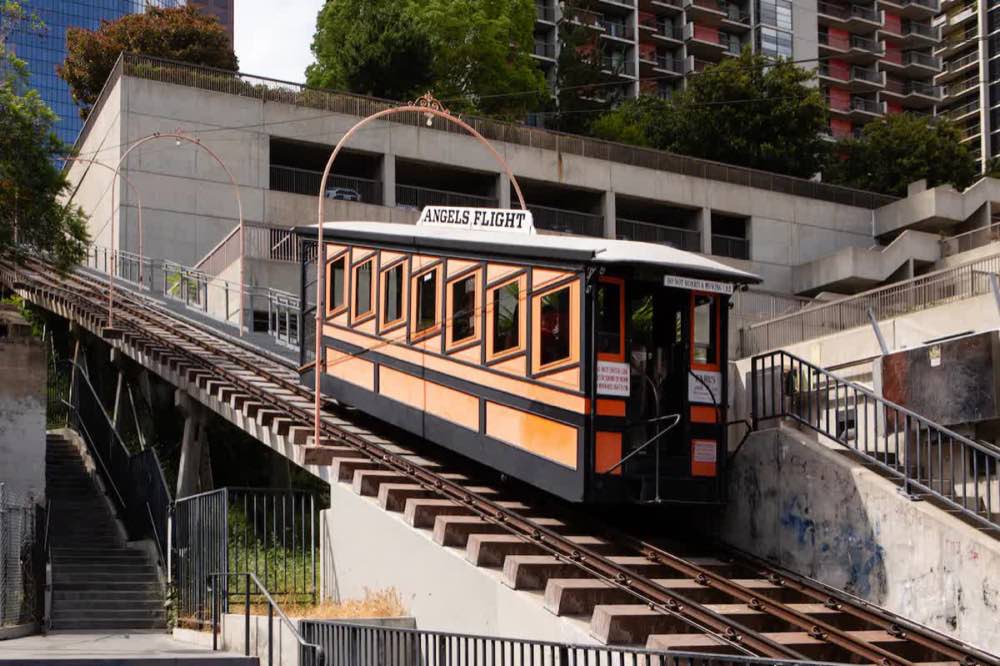
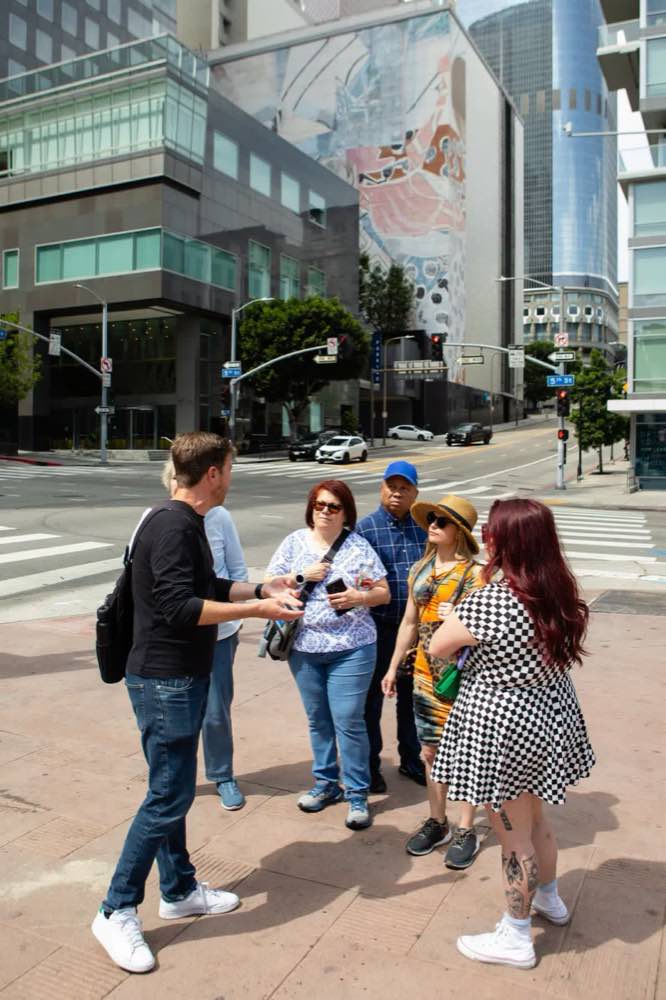
YOUR WALK, IN DETAIL
Landmarks from the operator’s published route. Order and access may vary with opening hours, events and local conditions.
Start with a place that is still very much part of everyday Downtown: a food hall filled with independent counters and the sounds of people meeting, shopping and eating. Your guide uses the market to introduce the neighborhood’s diversity and its relationship with the streets around it. Food purchases are separate from simply visiting the landmark.
At the foot of Bunker Hill, the short railway connects the working city with a familiar movie image. Hear about its place in Los Angeles and its appearance in La La Land, then compare the real incline with the film’s romantic version. A ride is not guaranteed as part of the walk.
Read the changing landscape of Bunker Hill through its steps and viewpoints.
A public square at the meeting point of old and new Downtown.
Read Broadway as a street designed to attract an audience. Marquees, entrances and decorative facades tell you how moviegoing became an event long before the film began. Your guide distinguishes the architecture of exhibition from the locations where a film was actually shot; theater interiors are subject to access.
Sid Grauman’s early movie-palace ambition, on Broadway.
Look beyond the modest street facade to the Bradbury’s celebrated atrium, when access allows. Iron railings, stairs and rising light help explain its appeal to filmmakers, especially in Blade Runner. Interior access depends on opening hours; choose a morning or weekday departure for the best chance. No private-floor access is promised.
Banking façades reveal another chapter in the city’s reinvention.
Look up at the details of an early Downtown high-rise.
Ornamental façades bring the former hotel district into focus.
A bookshop and creative landmark; entry is subject to business hours.
The Los Angeles Theatre connects Broadway’s architecture with Chaplin’s City Lights premiere. From the street, study how its ornament announces a grand night at the movies. The story concerns the experience of exhibiting a film; it is not presented as a City Lights filming location or a guaranteed auditorium visit.
An active commercial district, shaped by craft and enterprise.
A historic passage within the changing commercial city.
Hear the story of a cafeteria and its elaborate themed worlds; opening is not guaranteed.
Textiles, design and the working city beyond the movie image.
A former cinema with a new use makes the idea of a city layer tangible. Observe the Tower’s historic theater architecture alongside its conversion into an Apple store. The stop opens a conversation about preservation, commerce and the ways an old movie palace can remain part of daily life.
Turquoise terracotta and a clock tower: Downtown’s Art Deco silhouette.
A former bank repurposed as a hotel, closing a walk through reinvention.
Your meeting point: South Hill Street 308, Los Angeles
BEFORE YOU WALK
This Downtown Los Angeles walking tour brings film history and architecture into the same conversation. The route moves between the Bradbury Building, Grand Central Market, Bunker Hill and Broadway’s historic theaters, then looks at the commercial streets around the Old Bank and Jewelry districts. Rather than collecting movie names, you learn to notice what the camera finds: a staircase, a skyline, a facade or a change in scale. A local guide connects those details with the neighborhood’s everyday life, so the walk remains interesting even if you have not seen every film.
The Bradbury Building and Angels Flight show two very different screen versions of Downtown. Blade Runner turns the Bradbury’s ironwork and vertical space into part of a futuristic world; La La Land places the little hillside railway in a romantic Los Angeles. Your guide uses these connections to help you compare the real location with its cinematic identity. Broadway adds a third perspective: the places where people went to see films. The Los Angeles Theatre’s City Lights connection is a premiere story, not a claim that Chaplin shot the film inside the building.
Allow 2.5 hours and come ready to walk, look up and stop for stories. Comfortable shoes and water help you enjoy the changing streetscape. Some landmarks are working businesses, offices or event venues: the tour can discuss them from the street when interiors are unavailable. In particular, Bradbury access depends on opening hours; the operator recommends a morning or weekday departure for the best chance of going inside. Food purchases, a railway ride and admission to individual theater performances should not be assumed from an itinerary listing. Confirm the inclusions and final terms of your selected Bókun rate.
IS THIS YOUR KIND OF WALK?
Bring comfortable shoes and water. This walk focuses on stories, architecture and cinema landmarks. Celebrity encounters and backstage access are not guaranteed.
Compare all three LA experiences →MAKE IT YOUR NEXT STORY
Choose your date, guests and experience in our live Bókun calendar.
Calendar not loading? Open booking on Bókun
No dates for your day? Ask our team → Explore other walks →
REAL PLACES. A LOCAL GUIDE.
City Layer Tours was founded by filmmaker and urban storyteller Eloi Gerard. The images provide context; your guide connects scenes, architecture and stories on location.
Meet City Layer Tours →Read traveler experiences and independent booking listings.
Operator reviews · TripAdvisor ↗Also book on
KNOW BEFORE YOU GO
Local Guide
["TIP_OR_GRATUITY"]
South Hill Street 308, Los Angeles
Grand Central Market (under the iconic neon Bulleit Frontier Whiskey sign on the Hill Street side)
You don't need to print the ticket. At the beginning of the tour, just share the name used for the booking to the guide.How to Arrive?By Metro (recommended and easy): • Take the A or E Line to Historic Broadway Station — it is about one block from the market. • Or take the B or D Line to Pershing Square Station — also within a short walk.By Car / Parking: • There is an on‑site parking garage at 308 South Hill Street, directly adjacent to the market. • Rates: first 90 minutes cost $5; then $2 per each additional 15 minutes. Daily max is around $40 (check current rates before your tour).
Review the cancellation terms for your selected rate in Bókun before payment.
From Blade Runner’s Bradbury Building to the movie palaces of Broadway: a guided walk through the architecture, film history and everyday life of Downtown LA. Route landmarks: Grand Central Market, Angel's Flight Railway, The Bunker Hill Steps, Pershing Square, Historic Theater District, The Million Dollar Theater, The Bradbury Building, The Old Bank District, The Continental Building, The El Dorado Lofts, The Last Bookstore, The Los Angeles Theater, The Jewelry District, The Arcade Building, Clifton’s Republic, The Fashion District, The Tower Theater, The Eastern Columbia Building, Hotel Per La. Route order and interiors subject to local conditions and opening hours.
FAQ
The guided walk lasts about 2.5 hours. The published route includes architecture, film locations, historic theaters and commercial districts; the order can adapt to conditions on the day.
The Bradbury Building is a published route landmark. Interior access depends on opening hours and local conditions; the operator recommends a morning or weekday tour if going inside matters to you. Upper floors and private areas are not promised.
Both. Film connections such as Blade Runner and La La Land sit alongside the architecture of Broadway, the Old Bank District and the Eastern Columbia Building. The guide connects screen history with the neighborhood rather than treating every stop as a film set.
This Downtown walking tour is presented as an architecture and history walk, not the dedicated smart-glasses experience. For the Los Angeles tour built around film clips in smart glasses, choose the Biltmore Hotel tour.
Grand Central Market and Angels Flight are landmarks on the route. Do not assume that food purchases, a railway ticket or a scheduled ride are included; check the selected rate’s inclusions in Bókun before paying.
The walk explores the historic theater district and its architecture. Theater interiors depend on opening hours and events; it is not a ticket to a performance or a guaranteed backstage tour.
From $30
Explore more movie, TV and architecture stories with our other guided walks.
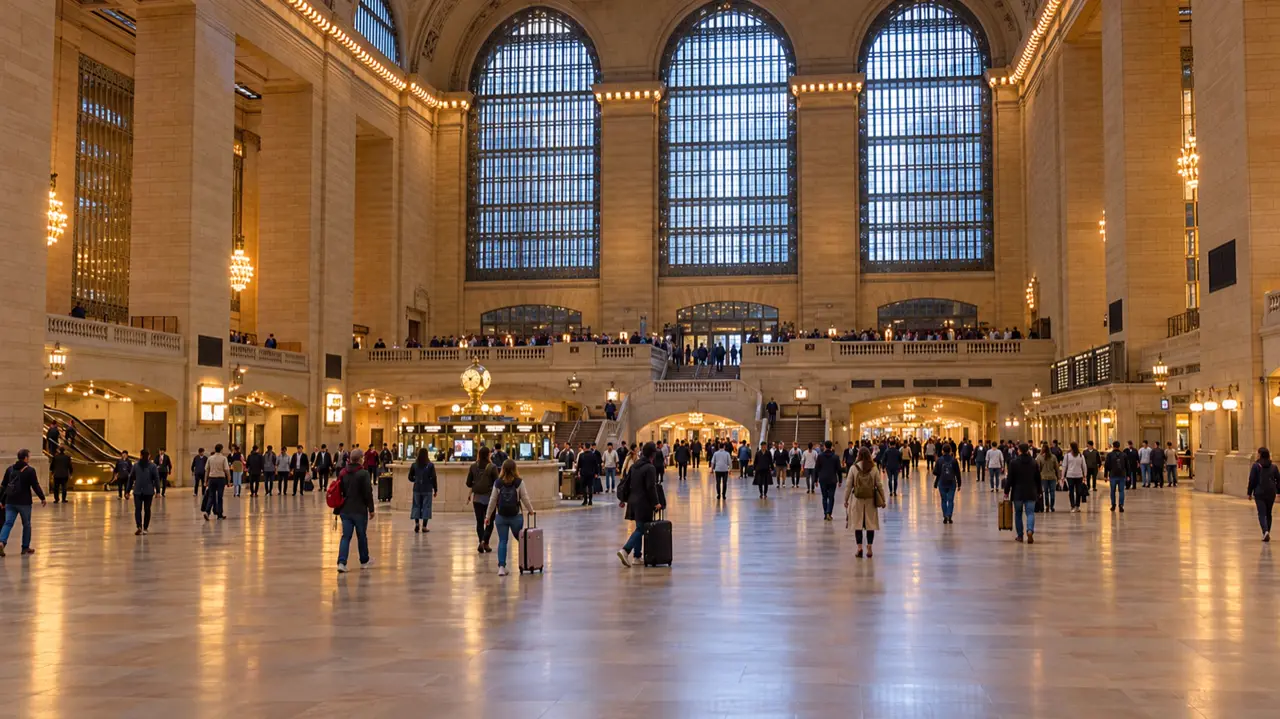
Midtown Manhattan, NYC
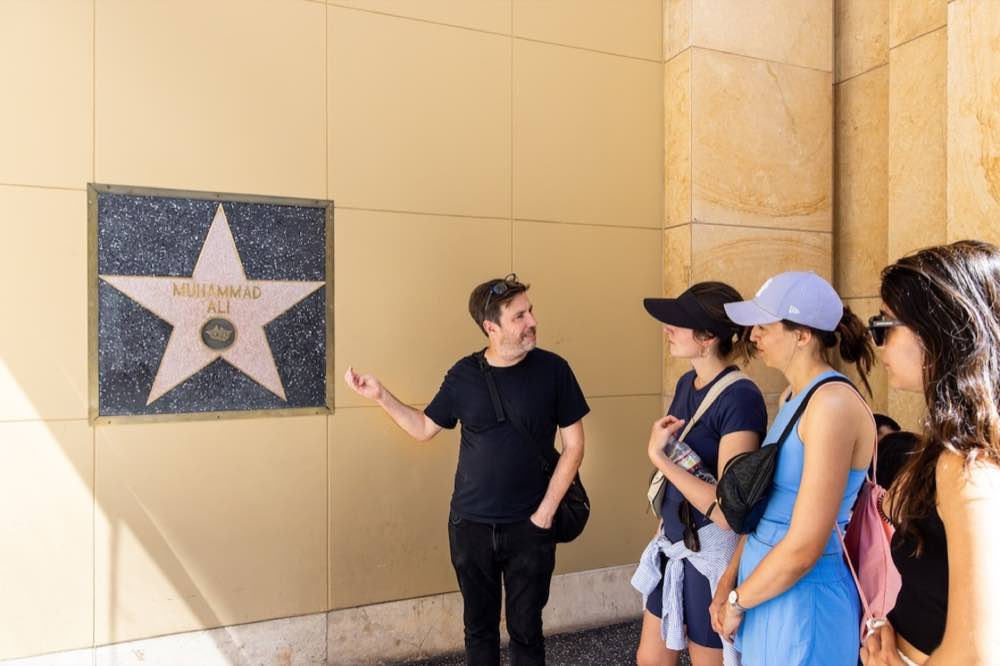
Hollywood Blvd
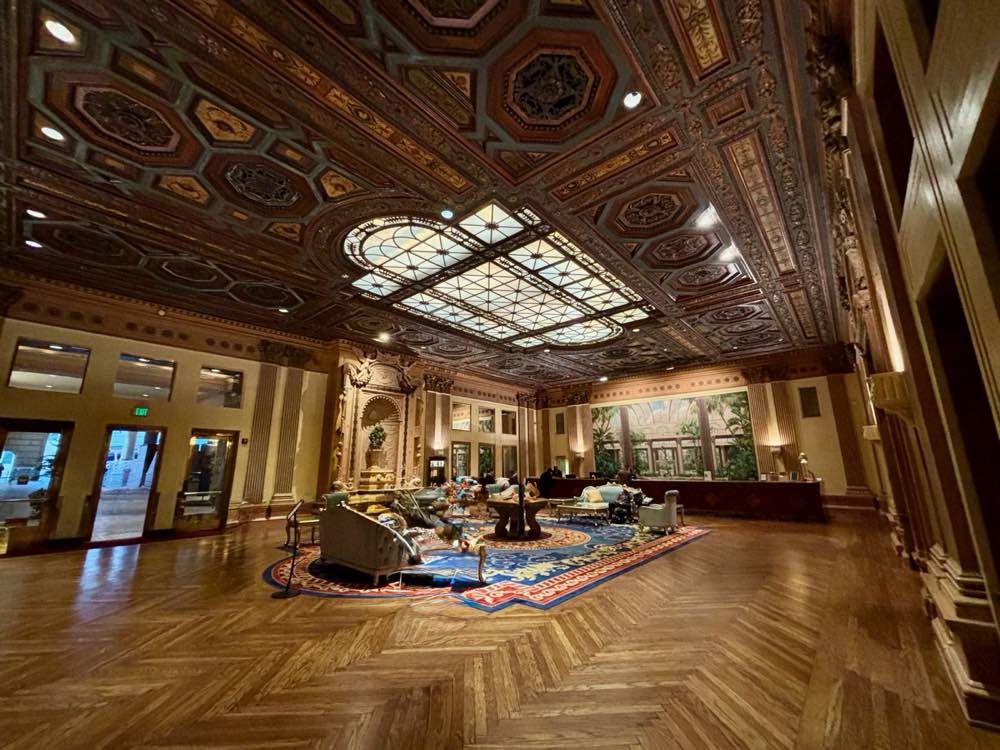
Pershing Square, DTLA